Ooty Tea Factory 2025: Timings, Entry Fee, Tea Tasting & Guided Tour
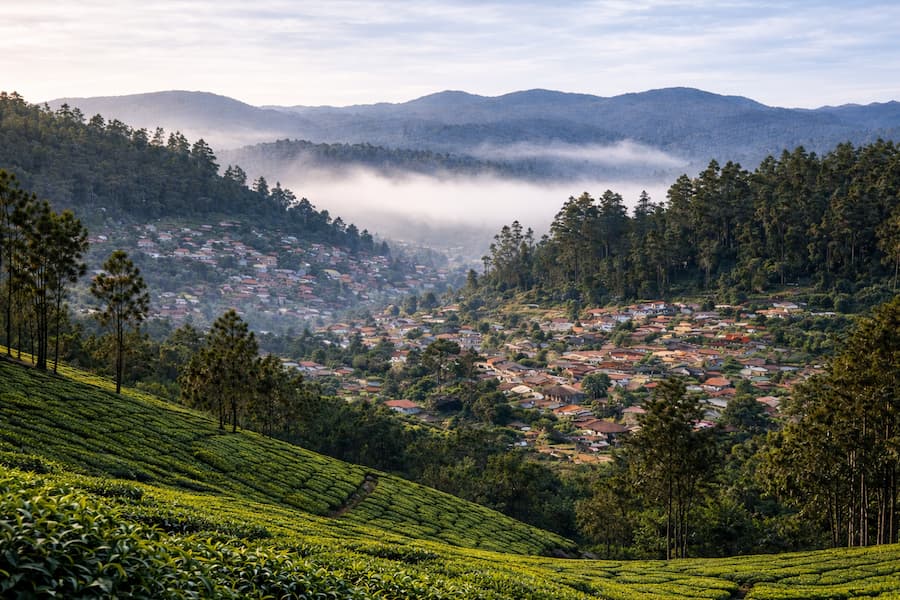
The Nilgiris are synonymous with tea – the rolling slopes covered in neat green tea bushes produce some of the world’s finest aromatic brews. A visit to a tea factory in Ooty is not just about sipping a hot cup of chai; it’s a fascinating journey from leaf to cup. Walk through the fragrant halls, witness the age‑old withering, rolling, and drying processes, and end with a complimentary tea tasting that will leave your senses tingling. This guide tells you everything you need to know before visiting.

🍃 Why Visit a Tea Factory in Ooty?
Ooty’s tea factories are more than just processing units; they are living museums of the region’s colonial past and cultural fabric. The most popular ones – like the Ooty Tea Factory & Museum (also known as the Doddabetta Tea Factory) and the United Nilgiri Tea Factory – welcome visitors with guided tours that explain each stage of tea production. You’ll see huge machines sorting leaves, fermenting rooms filled with the rich aroma of crushed tea, and the final drying ovens that lock in flavour. It’s an educational and delicious stop that appeals to all ages.
🫖 What to Expect During the Tour
1. The Withering Process
Freshly plucked tea leaves are spread out on large troughs where warm air reduces their moisture content. The leaves become soft and pliable, ready for rolling.
2. Rolling & Fermentation
The withered leaves are twisted and crushed in rolling machines, releasing essential oils. They are then left to oxidise in a controlled humid room – this is what turns green leaves into dark, flavourful black tea.
3. Drying & Grading
The oxidised leaves are passed through hot‑air dryers to stop fermentation. Finally, they are sorted into different grades – whole leaf, broken, fannings, and dust – depending on size and quality.
4. Tea Tasting Room
After the tour, you’ll be invited to a clean, bright tasting room where you can sample freshly brewed black, green, masala, and sometimes even white tea. Experts explain the tasting notes – floral, citrusy, malty – and help you pick your favourite.
5. Factory Outlet Shopping
The tour ends at the shop, where you can buy premium Nilgiri teas at factory‑direct prices. Packets of orthodox black tea, green tea, masala chai, and herbal infusions make perfect gifts or personal souvenirs.

🕒 Ooty Tea Factory Timings & Entry Fee (2025)
| Item | Details |
|---|---|
| Open Hours | 09:00 AM – 06:00 PM (All days) |
| Entry Fee | ₹20–₹30 per adult (varies by factory) |
| Children | ₹10–₹15 (under 5 free) |
| Guided Tour | Included in entry fee |
| Tea Tasting | Complimentary |
| Still Camera | ₹25 |
| Video Camera | ₹50 |
| Tea Purchase | ₹50–₹500+ per packet |
The Ooty Tea Factory & Museum (Doddabetta Road) is the most tourist‑friendly. It’s wise to call ahead during off‑season as processing may be paused on certain days.
☀️ Best Time to Visit a Tea Factory
The factories operate year‑round, but the best time is during the tea plucking season – April to June and September to November – when you can see the full production line in action. Winter (December–February) is also pleasant, though the pace may be slower. Morning hours are less crowded and you'll get more attention from the guide.
🗺️ How to Reach Ooty Tea Factory
Several tea factories are located within a 5–10 km radius of Ooty town. The most prominent is on Doddabetta Road, about 2 km from the Botanical Garden. You can easily reach it by auto‑rickshaw, private taxi, or even a leisurely walk if you’re staying nearby. If you’re already heading to Doddabetta Peak, the factory is a great stop en route.
🎯 Nearby Attractions to Combine
- Doddabetta Peak – 2 km
- Ooty Botanical Garden – 2 km
- Ooty Rose Garden – 3 km
- Wenlock Downs – 4 km
📸 Photography & Insider Tips
- Inside the factory, avoid flash photography as it can disturb workers and machinery sensors.
- Ask the tasting staff about the best way to brew Nilgiri tea at home – they often share helpful tips.
- Chocolate‑flavoured tea and masala chai blends are unique Ooty specialties – great as gifts.
- Weekdays are quieter; weekends can get crowded during tourist season.
❓ Frequently Asked Questions
Q: Is the tea factory suitable for children?
A: Yes, children will enjoy seeing the big machines and tasting the different teas (they can just sip small amounts). The tour is short and not strenuous.
Q: Can we see live tea processing all year?
A: Processing happens most days, but during certain off‑seasons or holidays, machines may be idle. Mornings are usually the best time to see everything running.
Q: Do I need to book in advance?
A: Generally no. Walk‑ins are welcome. However, if you’re part of a large group, calling ahead is recommended so they can arrange a dedicated guide.